The UK's sporting super weekend: What happens when every major event competes for attention?
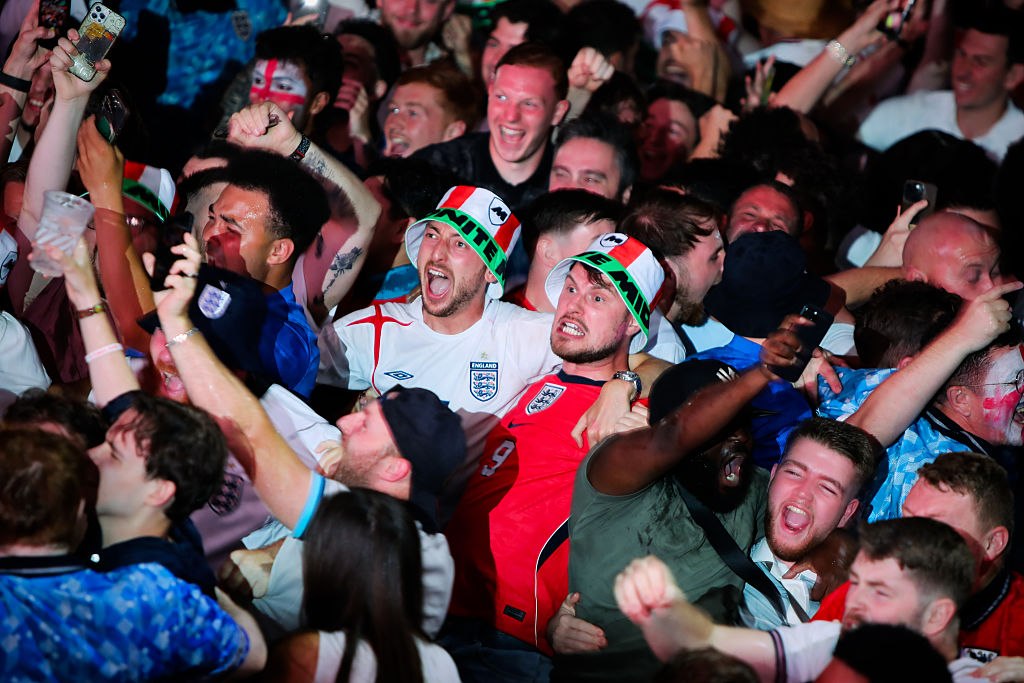
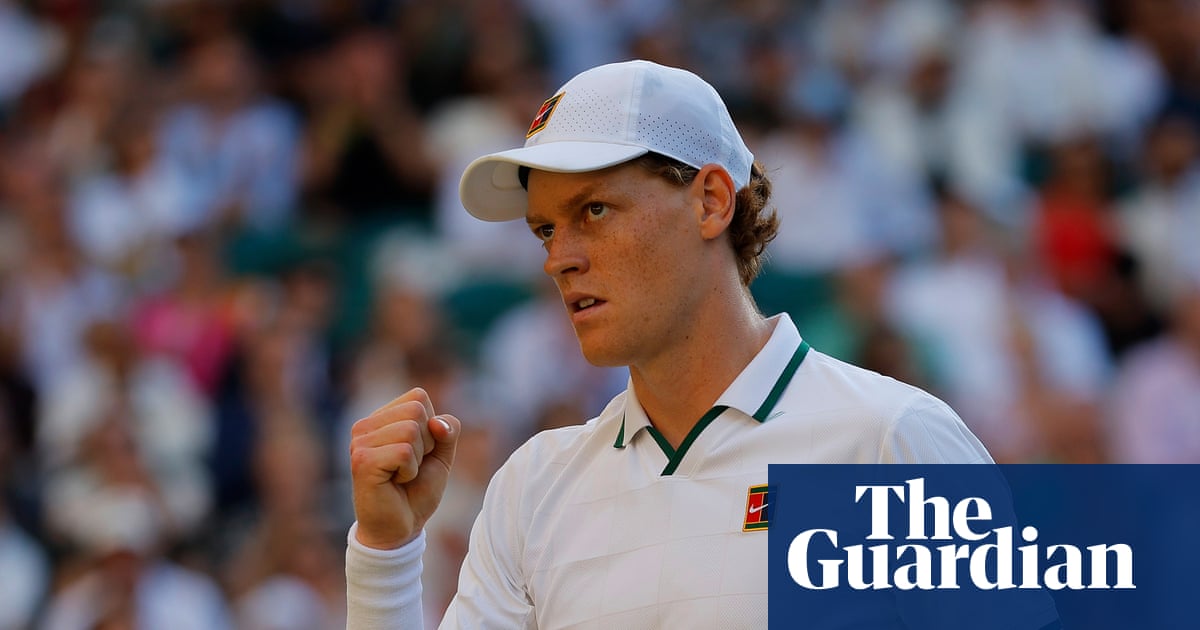
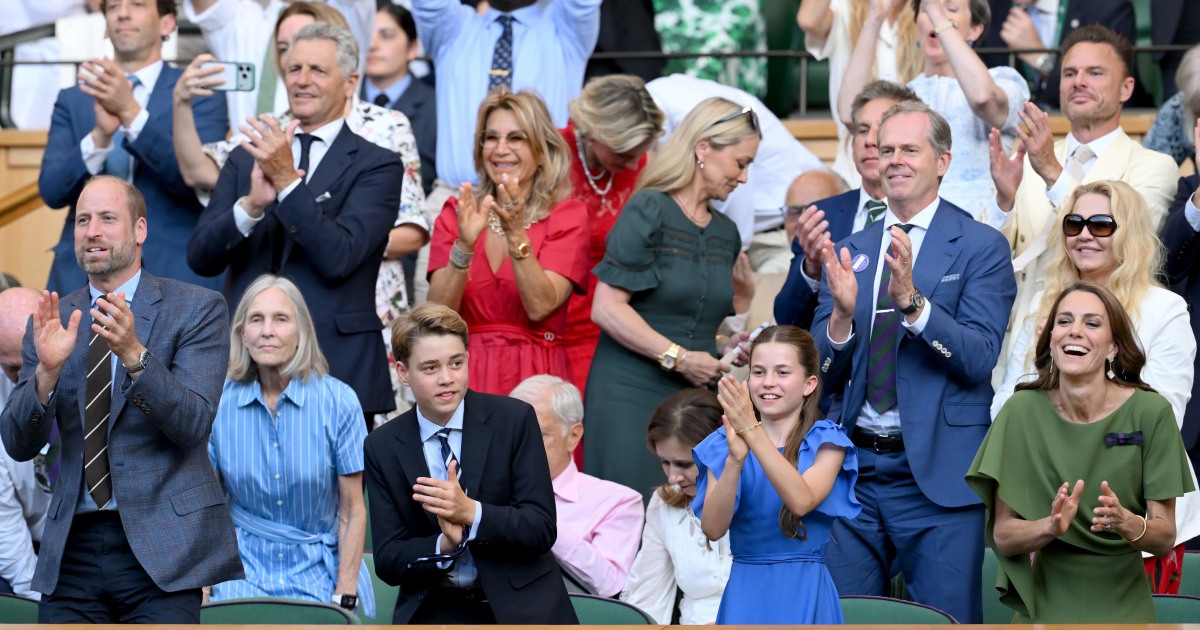
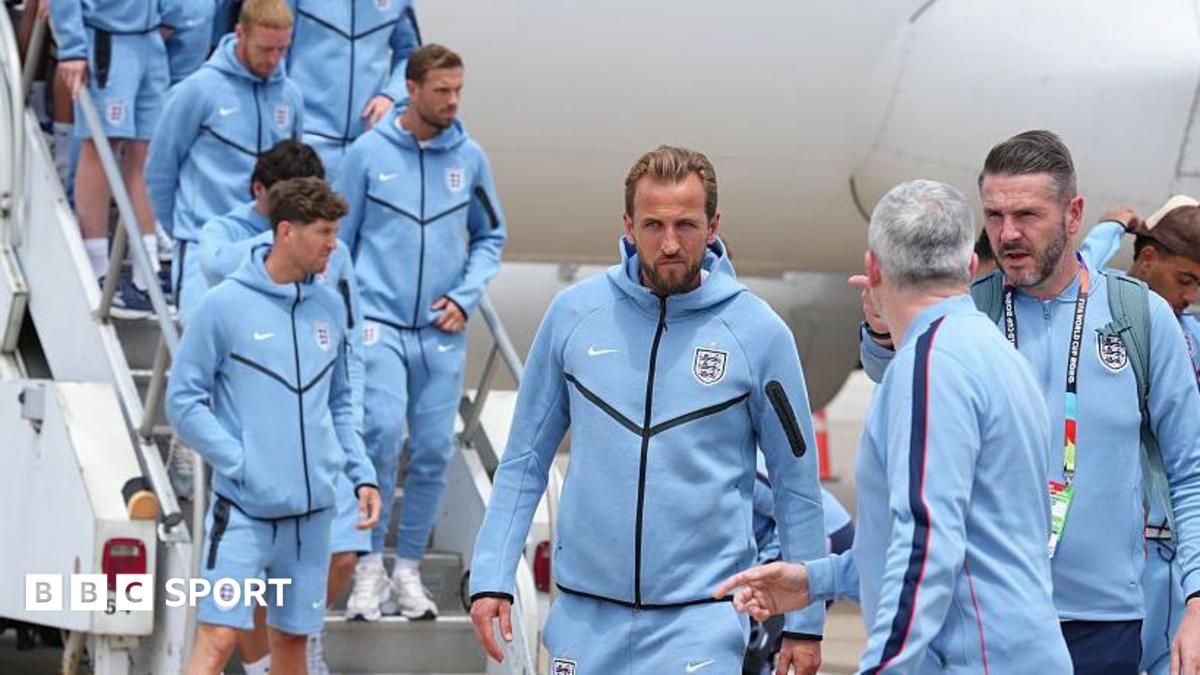
The effect was even more pronounced for sports attempting to grow beyond their core fan bases. The opening weekend of the Rugby Nations Championship attracted viewing intent from 11% of the population, while 8% planned to watch the Women's T20 Cricket World Cup Final between England and Australia. Yet a further 7% and 5% respectively said they would have been more likely to watch if those events had not clashed with other major sporting fixtures. The issue wasn't a lack of interest; it was a lack of available attention.What the official viewership data showsOfficial rated audience data collected via Barb allows us to move beyond intention and examine what actually happened.If the survey suggested football would dominate the weekend, television ratings confirmed it.On Saturday, the FIFA World Cup round between Canada and Morocco and later Paraguay and France were the biggest draws on the sporting schedule, averaging around three times the audience of any other live event and peaking at just over five million viewers. Their influence extended beyond their own broadcasts, visibly shaping viewing behaviour elsewhere across the sporting landscape.Wimbledon became the clearest example of audience migration in action. As Canada versus Morocco gathered momentum, audiences on BBC One and BBC Two softened, suggesting viewers were actively moving between football and tennis depending on where the most compelling action was unfolding. At 18:51 BST, when the World Cup match entered half-time, Wimbledon immediately experienced an uplift as viewers returned to catch Arthur Fery's match point. The gains disappeared once the second half began, only for audiences to surge again after the final whistle as Grigor Dimitrov and Matteo Berrettini's five-set thriller reached its climax. Wimbledon ultimately peaked at approximately 2.3 million viewers.Despite taking place overnight, the match opened to approximately 5.9 million viewers before reaching 8.9 million immediately after Jude Bellingham's opening goal. Audience levels remained strong throughout, settling at around seven million after England's second goal before rising again as the contest entered its closing moments. The size of the audience underlined the ability of England football to cut through scheduling challenges, time zones and sleeping habits.What drove the most buzz on social media?Social media activity revealed that what people watch and what they talk about are often very different things.According to data collected through YouGov’s partnership with Meltwater, Canada versus Morocco provided the cleanest relationship between audience and online engagement. Television viewership peaked at just over 5.2 million at 7.45pm, while social media conversation peaked just 15 minutes later as Ounahi scored his second goal. Viewers and social media users were effectively reacting in unison.Brazil versus Norway delivered an even tighter alignment. Audience and social mentions peaked in exactly the same 15-minute window as Brazil's penalty was awarded. By this stage of the evening, virtually every other sporting event on UK television had finished, focusing attention on a single sporting moment and creating a rare instance where viewers and online commentators moved in sync.Other events told a different story.Paraguay versus France generated one of the weekend's most interesting disconnects between audience and conversation. While television audiences peaked shortly before 11.30pm, the biggest social media moment arrived almost two hours later. Nearly 3,000 mentions across UK authors were recorded within a single 15-minute window as debate erupted around a contentious penalty decision, criticism of the referee, Michael Olise's yellow card and a confrontation involving Kylian Mbappé after the final whistle. The biggest social spike of the weekend wasn't driven by the match itself, but by the controversy that followed it, even after the programming ended.England versus Mexico produced a similarly layered outcome. Viewership peaked immediately after Bellingham's goal, but social media engagement reached its highest point almost 90 minutes later at full-time, after England survived with ten men to secure a dramatic 3-2 victory. People watched the goals, but they posted about the win.Formula 1 demonstrated another fascinating dynamic. Online discussion peaked hours before the largest television audience arrived, driven by Lewis Hamilton's surprise Sprint and Qualifying performances against championship leader Antonelli. By race day, anticipation had already been established which supported viewership within a busy calendar. Yet even after the race, the social media story wasn't Charles Leclerc's victory. Instead, discussion was dominated by frustration around Verstappen's late crash and a Safety Car finish that many fans felt robbed the race of a proper conclusion. In Formula 1, as in football, controversy proved just as valuable as competition itself for generating online engagement.Wimbledon perhaps best highlighted the challenge of measuring attention in a multi-match environment. On Saturday, social media reaction centred around Alex Eala's shock victory over defending champion Iga Świątek, while peak television audiences arrived hours later. By Sunday, however, the narratives had converged. Aryna Sabalenka's defeat and Novak Djokovic's near disqualification scare dominated discussion, bringing television audiences and social engagement much closer together.The battle for attention observed across audiences and social media has important implications for sponsors.Earlier in the analysis, consumer research suggested that Wimbledon and Formula 1 could each have attracted an additional 13% of the UK population had scheduling clashes not existed. The audience data appears to support that theory. Wimbledon audiences plateaued as the British Grand Prix got underway and then surged by roughly 50% once the race finished, indicating that many fans were effectively being forced to choose between two premium sporting properties.For sponsors, those choices carry a measurable cost.Across the weekend, Emirates generated £5.4 million in Net Sponsorship Value across UK Wimbledon broadcasts. When incorporating YouGov's NSV-X methodology, which accounts for positive brand recall and sponsorship perception among fans, the figure rose to £5.7 million. Had scheduling conflicts not suppressed audience levels, that value could have reached £6.4 million, representing a potential loss of approximately £738,000 in sponsorship value.
Most Popular

Passenger Suing BBC Studios Over Flintoff Crash
15 hours ago