
'More Dane Rampes': Revamped NSW league to start in 2027
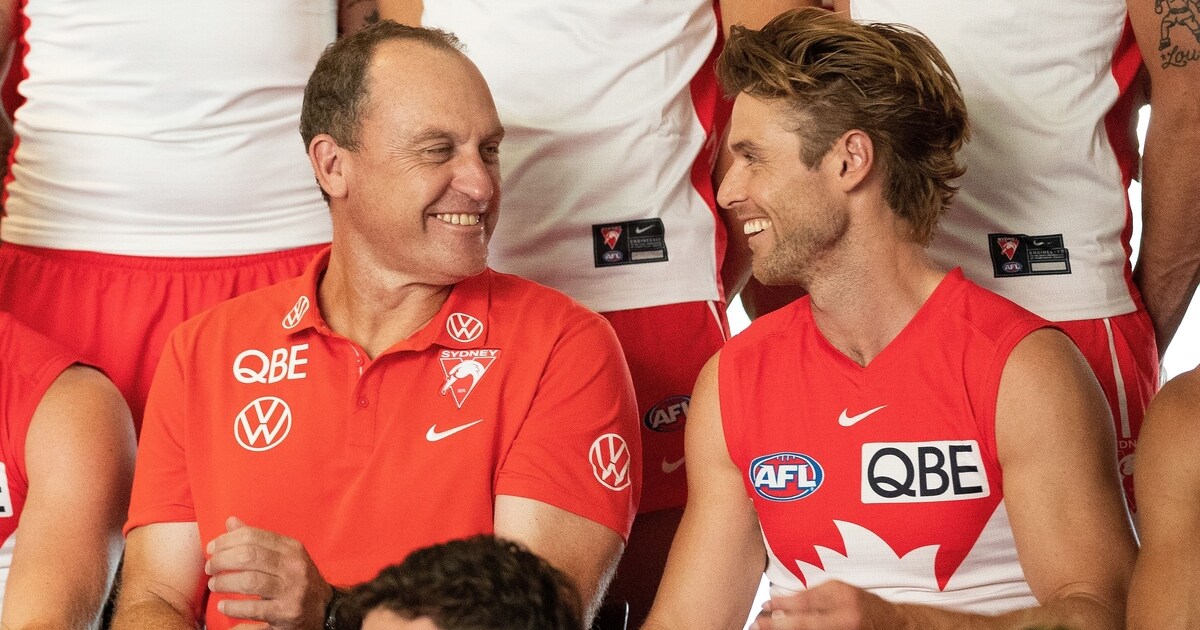
THE NEWLY established Sydney Football League (SFL) is set to serve as a development springboard for young talent, ensuring top prospects remain local rather than defecting to interstate competitions, according to Swans premiership coach John Longmire.To commence in April 2027 as the premier competition in NSW, the SFL will initially feature nine clubs and is designed to elevate local pathways and stem the state's long-standing talent drain."One of the real challenges, particularly with the academies, is that when kids don't make an AFL list immediately, we lose them to interstate leagues. We want to stop that talent leakage and keep our best young players right here," Longmire, who is now Sydney's executive director of club performance, told AFL.com.au."We've all got a role in growing the game. Whether you're a local Sydney club or an AFL team like the Giants or ourselves, we must build a competition that's as strong as possible."Swans veteran Dane Rampe serves as the ideal blueprint for the reimagined initiative.Passed over as a teenager, Rampe spent three seasons with Williamstown in the VFL before returning to dominate the local Sydney competition with UNSW-Eastern Suburbs, ultimately earning selection in the AFL Rookie Draft and launching a career that has included All-Australian honours, the Swans co-captaincy and 285 senior games.Longmire hopes the SFL will make Sydney-based pathways like Rampe's the norm, giving Sydney's hidden gems a clear line of sight to elite football."Wouldn't it be great to see more Dane Rampes come through the local system?" he said."Local kids and young people should be able to aspire to play in the best competition possible in Sydney without having to move – whether they're aiming for the AFL or simply want to play top-level footy in their local community."To guarantee broad community integration, the SFL has been designed with a balanced, Sydney-wide footprint – including crucial representation across Western Sydney.Sydney's Longmire and Greater Western Sydney executive general manager of football operations Jason McCartney both sat on the panel that oversaw the club licence tender process, chaired by AFL commissioner Andrew Ireland."Representation is really important," McCartney told AFL.com.au."A number of the clubs that initially met key benchmarking criteria were located in the eastern suburbs, lower north shore, northern beaches, and around the inner-city universities. We wanted to make sure that with the South West Sydney Blues, the East Coast Eagles, and the Pennant Hills Demons, we had true representation across all of Greater Sydney."McCartney emphasised that the traditional AFL Sydney structure within the broader national framework often resulted in local talent being lost to other state-based leagues such as the SANFL and VFL."If you're lucky enough to be drafted straight out of the academies, that's great. But this is really about the players who pursue their dreams elsewhere, only to find their way into the AFL later," he said."While parts of Sydney footy have been strong for decades, this elevated league allows us to broaden our overall footprint."Longmire sees the SFL as a secondary, complementary pillar to the northern academies run by the Swans and Giants, giving players who mature later another route to top-flight football."Having another pathway that runs alongside the academies gives kids another opportunity, acknowledging that everyone develops at different rates," he said."The academies have provided a real interest, but it can't be just the academies; it's got to be the local community Sydney Football League that also gets strengthened at the same time."Beyond elite aspirations, the SFL aims to elevate the entire local footy ecosystem – from community players to coaches, umpires, medical staff, and administration."The other part that's important to note is that people who don't want to play AFL football, or aren't at that standard, can still enjoy playing in a high-quality competition here," Longmire added."We want to work hand-in-glove with AFL NSW to develop not only players, but also local coaches, medical staff, and the volunteer network vital to community clubs."The league will sit alongside other premier state leagues, such as Queensland's QAFL, which is being eyed as the benchmark for facilities, pathways and participation, though officials acknowledge reaching that level of sustainability will take time.Future expansion beyond the initial nine clubs – including potential entry for Sydney-based AFL reserves teams – will be evaluated over time based on competition standards, facility upgrades, and financial viability."We can't deny that progress takes time. We're ambitious about what we can do, but other established leagues like the VFL and SANFL have been around for more than 100 years," McCartney said."Ultimately, it's about creating opportunities across the entire industry - not just for players, but for roles in these clubs in high performance, sports science, and club operations. You can only see that growing."

Most Popular



Maradona death trial: Warning signs ignored
5 hours ago
.jpg?w=1120&h=630)



Korean football scandal set to spread
3 hours ago