The Premier League bleeds: 90% of clubs face the spectre of losses
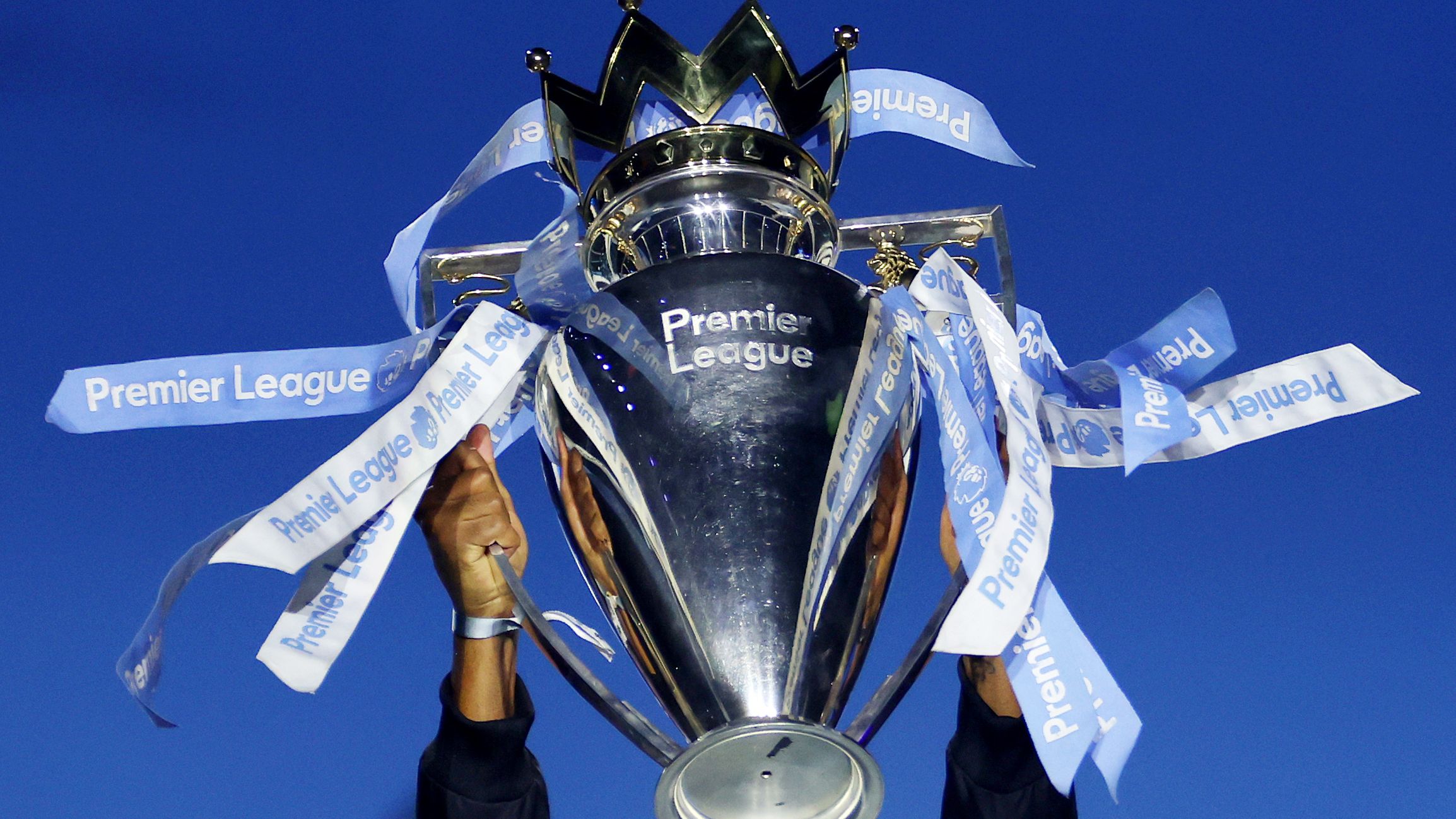
The English Premier League stands as the richest and most attractive competition for investment in world football. Yet the financial reality of its clubs tells an entirely different story. Transfer deals worth hundreds of millions of euros are being struck, some clubs are valued in the billions, and still recent studies reveal that most English football clubs are heading towards financial losses. It's a paradox that reflects the scale of the challenges facing the world's most popular game.The Spanish newspaper "AS" reported a study in which the consultancy firm "BDO" projected that around 90% of English clubs in the top four divisions will incur financial losses, despite the continued growth in commercial revenues and television broadcasting rights.Activity in the English transfer market is intense ahead of the 2026-2027 season. At the same time, two of the most prominent champions of the past decade are charting completely different futures.Liverpool are negotiating the sale of a minority stake of up to 49% of their shares to a consortium led by Amit Bhatia, backed by the wealthy Indian Mittal family. The value of the deal could exceed 6 billion dollars, handing Fenway Sports Group (FSG) significant financial liquidity without relinquishing control of the club.The picture at Leicester City could hardly be more different. The Thai group "King Power" has officially put the club up for sale, enlisting the firm "City Group" to search for new investors in an attempt to escape a suffocating financial and sporting crisis. Just ten years on from that historic Premier League title in 2016, Leicester posted losses of 71.1 million pounds sterling and dropped into the Championship.Getty ImagesWhy are clubs losing money despite rising revenues?The "BDO" report lays bare a worrying reality for English football. Its projections indicate that around 90% of clubs in the top four divisions will end their seasons in the red.To tackle the problem, the Premier League has introduced new financial rules from the start of the current season. Spending on players must not exceed 85% of a club's total revenues, part of a wider push to strengthen financial sustainability.Moises Assayag, managing partner at the firm "Channel Associados" and a specialist in football finance, said: "The English Premier League is going through a delicate phase. Despite the rise in revenues generated by sponsorship and broadcasting rights, clubs in the richest league in the world are finding it difficult to turn a profit, due to rising operating costs, inflated wages, and the financial pressures resulting from the sporting competition that increases year after year."Getty ImagesEngland continues to dominate the transfer marketThese financial concerns haven't slowed the spending. English clubs still top the list of the biggest spenders in the summer transfer market, with player registration across Europe running until the first of September."Transfermarkt" data breaks down spending in the top five leagues as follows: "England: 1.39 billion euros, Italy: 585.5 million euros, Germany: 434.2 million euros, Spain: 307 million euros, France: 245 million euros".Further down, the biggest-spending leagues also included: "Turkey: 225 million euros, Portugal: 179 million euros, the English Championship: 145.3 million euros, Saudi Arabia: 90 million euros, the Netherlands: 83 million euros".Five deals stand out as the most expensive so far. Four came in the Premier League, against just one in Spain:1. Morgan Rogers: from Aston Villa to Chelsea for 138 million euros.2. Elliot Anderson: from Nottingham Forest to Manchester City for 135 million euros.3. Sandro Tonali: from Newcastle United to Tottenham for 108 million euros.4. Mateus Fernandes: from West Ham United to Tottenham for 99 million euros.5. Anthony Gordon: from Newcastle United to Barcelona for 80 million euros.Getty ImagesThe need for a more sustainable modelMoises Assayag added: "The series of losses incurred by most English Premier League clubs confirms that the regulatory models need more efficiency, and perhaps even more rigour, in order to find solutions that guarantee the sustainability of the leagues in the long term, without creating financial and sporting imbalances between clubs."Feridiano Pinheiro, the executive director of the "Foot Pro" exhibition, offered a broader view: "The competition to buy stakes in English Premier League clubs indicates that football has moved beyond the concept of a traditional sporting competition, to become a global entertainment platform."He added: "Investors are not betting only on sporting history, but on the strength of the brand, the ability to attract fans, and the achievement of record commercial and media revenues, which makes the real value of clubs lie in their ability to turn sport into a global product."Claudio Fioreto runs the company "P&P Sport Management", which manages the professional careers of more than 150 players around the world. He said: "The transformations that English football is witnessing reveal a radical change in the nature of investment. Instead of focusing on buying players, capital is now heading towards buying stakes in the clubs themselves.He continued: "With the record figures the English league is achieving in commercial revenues and attracting global investors, the player is no longer the most important asset, but rather the sporting institution itself has become the real investment, one based on valuations of billions of dollars."

Most Popular