Labour hire firm iComply's collapse leaves PALM scheme workers millions out of pocket
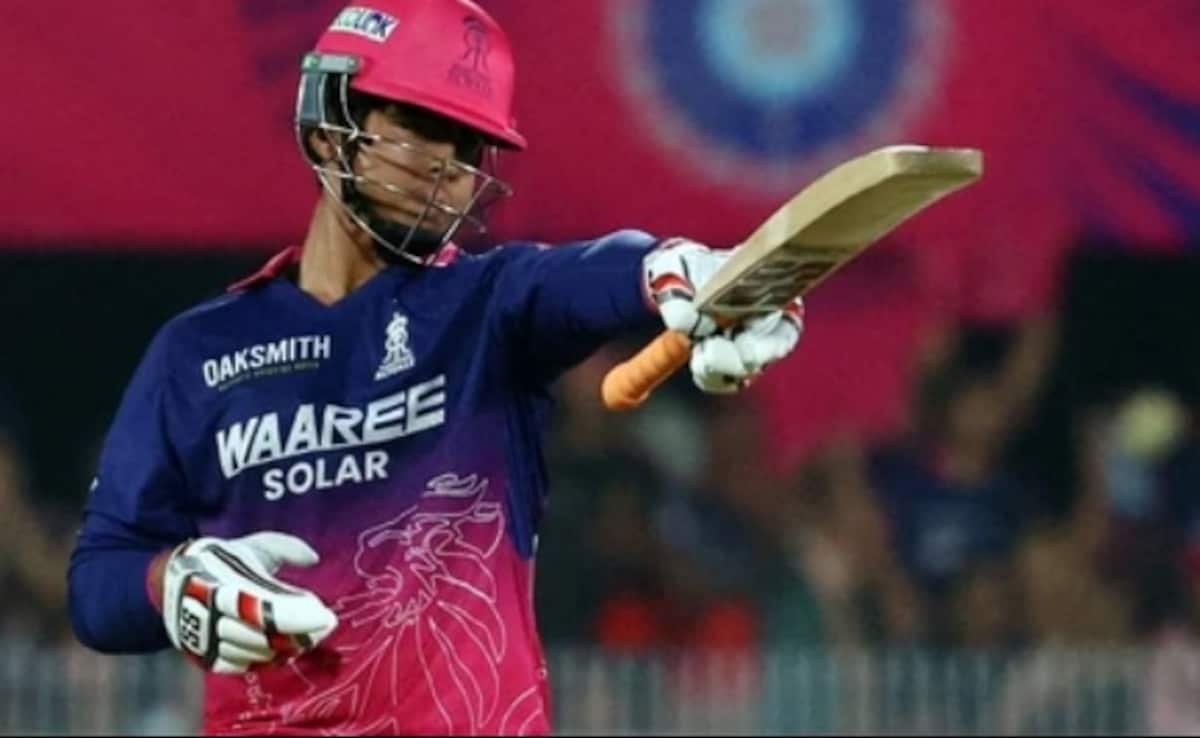
Julia worked five seasons with iComply Horticultural Compliance Specialists on farms in southern Queensland.The Ni-Vanuatu woman, who asked to use a pseudonym, told the ABC she and her fellow seasonal workers from Vanuatu experienced numerous problems with their pay over that time.She said they never made an official complaint to the authorities because they were afraid."We made complaints about the pay [to iComply] and they said, 'We will pay, we'll pay, we'll pay, we will pay' — that's what they say, but they never do it," she said.Now, following the company's collapse, iComply's workers face missing out on millions in unpaid superannuation.iComply's demise was not a surprise to Dan Dempsey, one of the largest recruiting agents for the Pacific Australia Labour Mobility (PALM) scheme in Vanuatu."They got very big, very quick, and there are other examples within the program of employers that have got very big, very quick, and it nearly always leads to disaster because the growth just either is not there, or the growth is there for a very short time," said Mr Dempsey, who is also secretary of the Vanuatu Agents Association."Whenever you mention iComply to workers, they actually call it iComplain because they were always complaining about the conditions that they were facing."An industry insider with close knowledge of the situation told the ABC he too suspected the company was in trouble."With my personal discussions concerning welfare issues with iComply, I sensed that they were going down this pathway," he told the ABC."The PALM [scheme] has improved for so long, how was this not picked up, or how can an approved employer fly under the radar, go through a financial struggle to try and bring workers in, and it wasn't picked up then?"iComply and its director and chief executive Rodney Prestia had a higher public profile than most agricultural labour hire companies involved in the PALM scheme.A lot of its workers were from Vanuatu and iComply sponsored Ni-Vanuatu athletes and sporting teams.Mr Prestia attracted media attention after he helped set up a cricket team for employees in a regional Queensland competition.According to the Vanuatu Daily Post newspaper he was given a presidential medal in 2024 for "improving lives through seasonal work and sports".But behind the scenes, iComply was in deep trouble, according to David Sampson from BPS Resolved, the liquidator appointed to sift through the company's remains after its collapse last December.Owing millionsIn his report to creditors, filed with regulators this week, the liquidator said iComply may have been trading while insolvent as far back as May 2023.The report said the company was experiencing trading losses from at least the 2021 financial year, it was getting overdue payment reminders from the Australian Tax Office from at least 2021 and not paying key debts back to June 2022.When it collapsed, iComply was $12.2 million in debt.The biggest single chunk of debt is unpaid superannuation, with around $4 million owed to former employees.The liquidator said it did not anticipate any payments to creditors, meaning it was unlikely outstanding superannuation would be paid to former workers.Julia said it was devastating news but she was just happy to have left iComply behind."I want to be sad, but I was like, that's good because some of the workers often got no pay so it's better we change the company," she said.Jerry Talili, also from Vanuatu, worked for iComply in Home Hill, North Queensland, from 2024 until its collapse."I heard that some said they are not paying super for the last payment in December because iComply is in liquidation and won't make any payments," he said.Problems with regulatorsThe liquidator's report also details iComply's dealings with the federal Department of Employment and Workplace Relations, which oversees the PALM scheme.The report says the company was subject to multiple regulatory actions over alleged non-compliance with its obligations under the scheme.These include failures to remit workers' superannuation contributions on time, arrears in workers' health insurance premium payments, and various breaches relating to worker placements, accommodation and repatriation arrangements.A department spokesperson said in a statement that it began investigating iComply in late 2024 and put measures in place to safeguard workers during the process."When iComply entered liquidation in January 2026, these investigations were ongoing," the department said."All applications to become a PALM scheme approved employer are subject to rigorous assessment, including integrity, governance and fit and proper person checks."The liquidator's report also said iComply had major problems meeting its tax obligations, with the Australian Tax Office (ATO issuing multiple director penalty notices.In November 2025, the ATO started directly recouping funds from the company's bank.Rodney Prestia has been unavailable for comment but in a statement to the liquidator he said the company's failure was the result of several factors.They included weaker demand from farmers, changes to minimum hours for staff, increasing costs of monitoring and audits, and the cost of accommodating workers who were stuck in Australia after a massive earthquake devastated Vanuatu's capital, Port Vila, in December 2024.According to Mr Prestia's statement, a major blow came in November last year when a non-compliance notification from the Department of Employment and Workplace Relations was reported in the Vanuatu media."The impact of this on the Director was overwhelming and caused him to suffer medical issues with the stress of the defamation that had been placed upon him," his statement said.Mr Prestia said he then took medical leave which continued until iComply ceased trading.The liquidator put forward a different view of what may have contributed to iComply's failure including sustained trading losses, a reliance on loans from related entities to assist with working capital and cash flow, under-capitalisation and poor management.


Most Popular