The seven worst decisions on and off the field at the 2026 FIFA World Cup

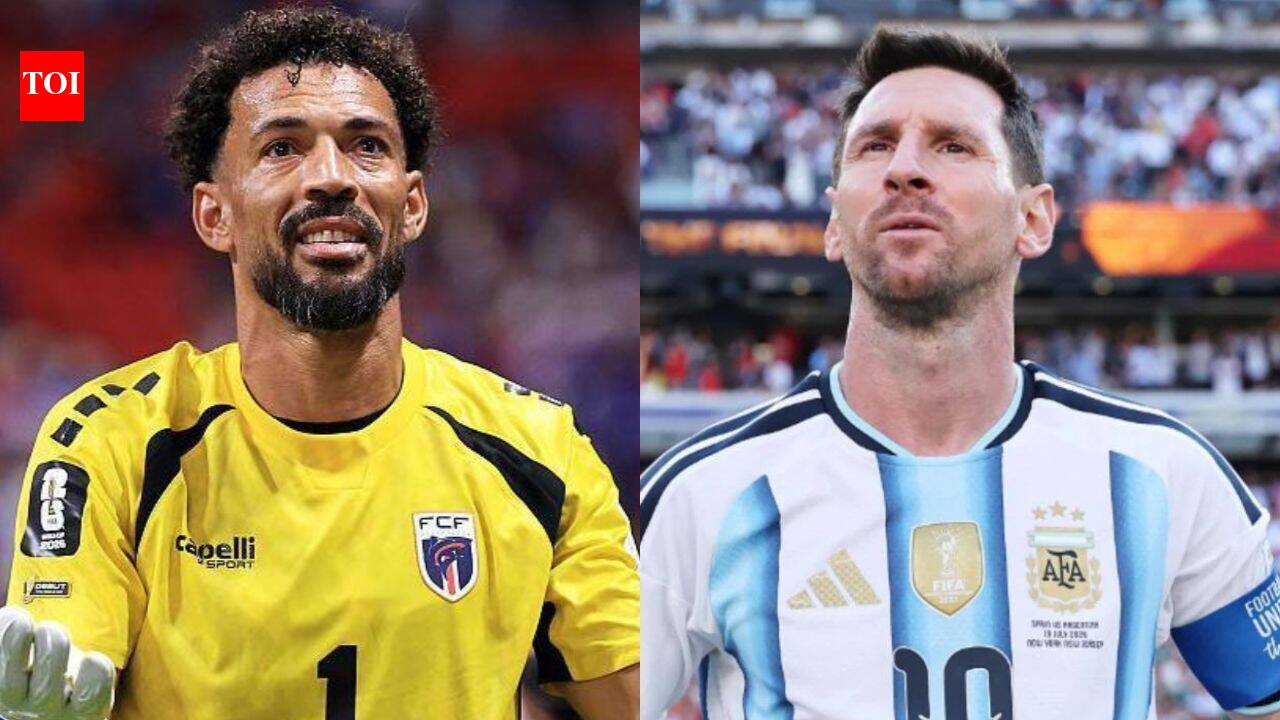
The 2026 FIFA World Cup was a celebration of the most popular sport in the world, but it brought its fair share of controversial moments on and off the field.Everyone agrees that the 48-team edition of the World Cup was more entertaining than many had initially expected.AdvertisementBut no sporting event of this scale can escape without some contentious moments. Today, let’s take a look at the seven worst decisions both on and off the field at this year’s tournament.Rescinding Folarin Balogun’s Red Card Ban (Off-Field)USMNT striker Folarin Balogun received a red card during the United States’ Round of 32 match against Bosnia and Herzegovina, triggering a one-match ban for their Round of 16 clash against Belgium.With Belgium’s status as one of the highest-ranked nations in the tournament and Balogun leading the USMNT with four goals in the competition, FIFA overturned Balogun’s suspension after political pressure from President Donald Trump.Balogun playing in the Round of 16 led to allegations of corruption against FIFA, with quarterfinalists Norway lodging a formal ethical complaint. UEFA President Aleksander Čeferin boycotted the 2026 Final in protest of this move.AdvertisementBalogun’s presence didn’t help the USMNT advance further, getting demolished 4-1 by Belgium, with Balogun having little impact.Barring Africa’s Top Referee at U.S. Customs (Off-Field)Somali referee Omar Artan was among the referees that FIFA had called up to officiate World Cup games, but Artan was refused entry into the country by the U.S. Immigration officials in Miami. Despite holding a valid visa, the CAF’s 2025 Men’s Official of the Year was deported back to his home country.FIFA leadership didn’t step in to protect Artan, who was removed from the World Cup’s refereeing group. FIFA President Gianni Infantino minimized the issue by telling people to ‘chill and relax’ in response to complaints.AdvertisementDespite severe backlash from African nations and the worldwide press, Artan couldn’t find his way into the tournament.Wiping Out Mostafa Ziko’s Goal via Massive “Reach-Back” (On-Field)In the Argentina vs. Egypt Round of 16 matchup, a goal by Mostafa Ziko was overturned by VAR in the second half, restricting Egypt to a 1-0 lead, which they’d blow 2-1 by the end of 90 minutes.The goal was disallowed due to a very early foul at the start of the play, considered one of the biggest VAR reach-backs ever to justify the decision.This decision led to backlash against Argentina, which lasted until the end of the World Cup, with the Egyptian manager and Ziko himself claiming the contest was fixed to end in Argentina’s favor.AdvertisementIgnoring Lionel Messi’s Studs-Up Challenge (On-Field)In the group stages, Argentina faced off against Algeria in a game remembered for an incredible hat-trick by Lionel Messi. However, many believe that hat-trick would’ve never been a reality if Messi was rightfully punished for a studs-up tackle on Algeria captain Aïssa Mandi in the 30th-minute.Identical challenges had resulted in red cards for other players over the group stage, so Messi’s escaping that situation without a red card led the Algerian FA to lodge an official complaint with FIFA.While nothing came of it and the situation was forgotten as the World Cup came into full swing, it was one of the early controversial moments from the first few games of this year’s edition.AdvertisementMandating Mid-Game “Hydration Commercial Breaks” (Off-Field)The 2026 FIFA World Cup saw the introduction of a mandatory hydration break, similar to the on-field breaks we saw during the 2018 and 2022 World Cup over environmental concerns for the players.However, the 2026 World Cup implemented the breaks in each game without specific conditions, primarily as a way to ensure there could be advertisement breaks during the game.Soccer is notorious for having two 45-minute halves of action with a running clock and no interruptions, which ensures that no commercial breaks can interrupt the action. But the hydration breaks in each half allowed broadcasters to circumvent that and run lucrative mid-game ads.AdvertisementGiven how much of a departure this was from how football is generally played throughout the season, this angered many traditional fans, as it set a dangerous benchmark for future tournaments.Rejecting Ghana’s Blatant Penalty Appeal vs. England (On-Field)The group stage clash between England and Ghana had a huge moment that went unpunished, as English goalkeeper Jordan Pickford charged off the goal line to launch a challenge on a Ghanaian attacker in the 79th-minute of the clash.The game was 0-0 at that point, but Ghana didn’t get any sympathy from the officials, who ignored the moment and let the game go on. Even after protests, the officials refused to use VAR to verify the missed call.AdvertisementThis moment had real consequences for the group. Ghana could’ve secured top spot in the group if they had converted the penalty and held a 1-0 win over England. Instead, this was a one-point draw, with Ghana’s loss to Croatia relegating them to third place instead.Appointing Slavko Vinčić to Officiate the Final (Off-Field)The final controversy came at the Final, as FIFA appointed Slovenian referee Slavko Vinčić to be the lead official for the final Spain vs. Argentina clash.His record as an official was solid enough to merit the selection, but his off-field past left many outraged before the biggest game of the year.AdvertisementFans and media found out that Vinčić was arrested in 2020 during a police raid in Bosnia, alongside other allegations of questionable associates in his past.After the result of the Final went against Argentina, fans flooded online portals with a petition to replay the final over the ‘corrupt’ performance of Vinčić, who sent off Argentinian Enzo Fernandez late in the game.While the petition received over 82,000 signatures, it was clearly fan-led after a tough a.e.t loss for Argentina.Read more:

Most Popular