
IPL teams seek GST relief, urge reclassification of match tickets as sporting events
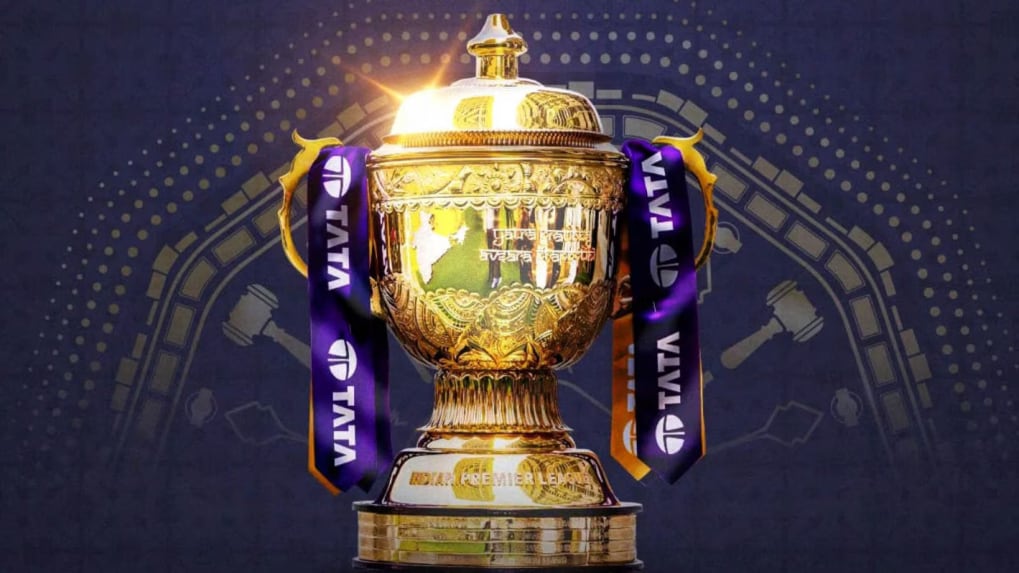
Franchises in the Indian Premier League have approached the finance ministry seeking a reclassification of match tickets from “entertainment” to “sporting events,” a move that could reduce the goods and services tax (GST) on tickets from 40% to 18%.According to an The Economic Times report, the request is currently under consideration, with a government official indicating that a final decision will be taken by the GST Council.At present, IPL match tickets attract a 40% GST rate following changes introduced during the 56th GST Council meeting. This marked a shift from the earlier 28% tax, while tickets for recognised sporting events continue to be taxed at 18%. The higher slab places IPL tickets in the same category as demerit or “sin” goods and services such as betting, gambling and casinos.Also read: These 3 IPL teams still haven’t won a single trophy, will IPL 2026 change that?Franchises have argued that this classification is inconsistent with the policy rationale behind the GST structure. In their representation, they stated that cricket matches are widely consumed as mainstream sporting events and family entertainment, and should not be taxed alongside activities with negative social externalities.They further pointed out that several premium services, including high-end hotel stays and business-class air travel, are taxed at the standard 18% rate. Similarly, a range of entertainment and cultural activities, such as theatre, exhibitions and amusement parks, also fall under the 18% bracket.Tax experts cited in the report noted that the current rate may impact the broader sports ecosystem. They highlighted that the IPL contributes to economic activity across sectors including travel, hospitality and tourism, while also supporting talent development.Also read: SRH’s Sakib Hussain shines against RR on IPL debut; mother once sold jewellery to fund his cricketCalls have also been made to rationalise GST rates where anomalies exist above the 18% level, particularly in cases where activities do not align with the “sin goods” classification.The GST Council is yet to take a final view on the matter.Follow Storyboard18 on Google for the latest and breaking how it works news and industry updates, along with in-depth coverage of digital media and media & entertainment news. Stay informed with the latest perspectives only on Storyboard18.



Most Popular

Troy University Athletics
9 hours ago



Women's Tennis Sweeps Adrian In Road Victory
8 hours ago



Whangārei mourns Colin Thorne, 102
4 hours ago