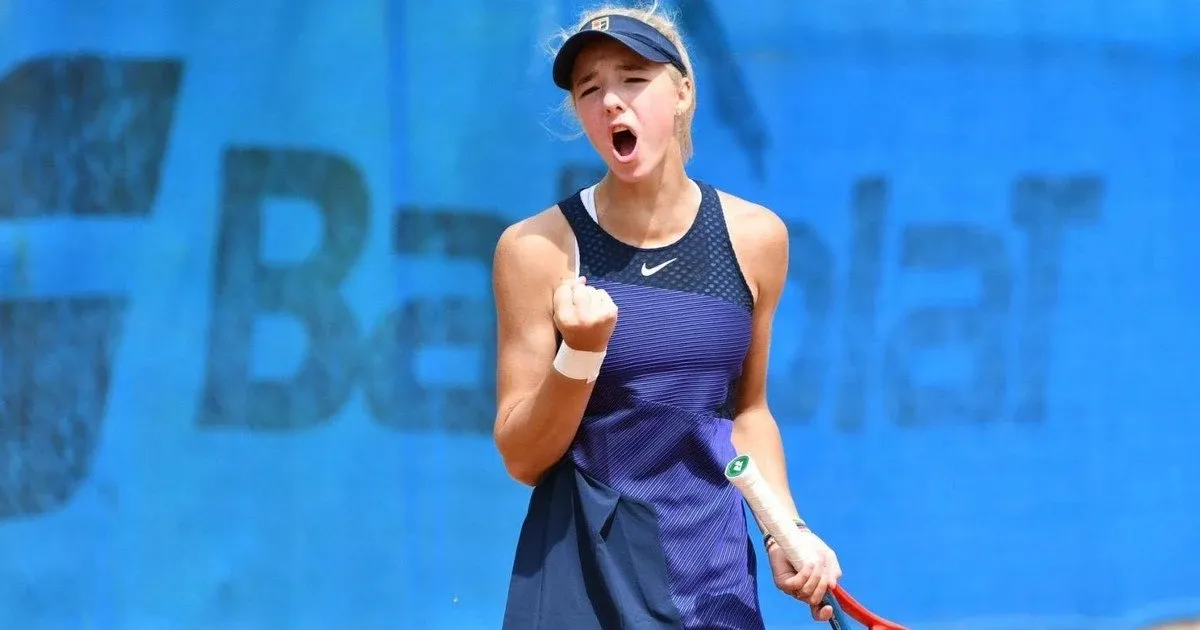
After 24 years, the men's World cup will return to Africa

Where were you in 2003? Specifically from February 9 to March 23? If you were in South Africa you couldn’t escape the men’s World Cup. It was played by 14 teams at a dozen grounds across the country, along with one each in Harare and Bulawayo and another in Nairobi.Dazzler, the tournament’s zebra mascot, was everywhere. It was named after the collective noun for the equine animal, as in a dazzle of zebras. Even if you didn’t care about cricket, cricket did you the favour of pretending you did.South Africans’ heart skipped a beat when Brian Lara’s 116 and not a lot else led to the home side’s defeat by three runs in the opening match at a wet and windy Newlands.Makhaya Ntini doesn’t have to think hard to remember. He was there; he had a pulling Lara caught at mid-on. But not even taking so prized a wicket was his highlight of the tournament.“I was asked to carry the flag at the opening ceremony, and that is something that can never be taken away from me,” Ntini told Cricbuzz.Temba Bavuma was 12. Did he watch the matches? “No, I didn’t,” he told reporters. “I do know we didn’t do well. My memory of the tournament is the zebra. I had a cricket bat that had the zebra pattern on the grip.”“Didn’t do well” wasn’t the half of it. Twenty-two days after the loss to the West Indies, South African hearts skipped many more beats when their team matched the Duckworth-Lewis par score against Sri Lanka on another wet and windy night, this time at Kingsmead. That left the game tied, and the consequence was that Shaun Pollock’s team were eliminated in the first round. In Bulawayo, Zimbabweans cheered loudly at the removal from the World Cup equation of their bigger brothers from down south.“Whatever it was that happened to us in Durban, it must never happen again,” Ntini said.Hashim Amla told Cricbuzz he had warmer thoughts of the tournament: “I was 19 years old and I was watching my heroes play. It was an amazing time to have a World Cup here, and it inspired me and a lot of other people to want to play for South Africa.”Kagiso Rabada admitted to having only “recollective memories” of that World Cup. “I was eight years old in 2003 and I didn’t know much about cricket,” he told reporters. “But, as the years went by, what did I remember? Ponting getting a hundred in the final, Brian Lara getting a hundred against South Africa, Shoaib Akhtar [bowling at] 160, Brett Lee was on fire …”Shoaib’s last delivery of the fourth over at Newlands on February 22 veered towards Nick Knight’s legs. The left-hander had no trouble working the ball to midwicket, although not crisply enough to beat the field. But this was no ordinary dot ball. Several seconds after the over ended applause rose from the crowd. “Last ball bowled,” a sign on the scoreboard read, “161.3 KM/H”.Lee would bowl his fastest delivery, timed at 161.1 kilometres an hour, in an ODI in Napier two years to the day after the 2003 World Cup final. But he took 10 more wickets than Shoaib in the tournament. Nobody took more than Chaminda Vaas’ 23, but as he wasn’t a firebrand he wouldn’t be uppermost in the memory of modern marvels.Rabada also managed to say, with a Freudian touch, that South Africa “lost to Duckworth-Lewis”. He tried to correct himself: “I mean, not to Duckworth-Lewis …” But by then the unmistakable truth tangled in his error was out there.The Kingsmead catastrophe relegated the final between Australia and India at the Wanderers to the status of an afterthought for most South Africans. That Ricky Ponting’s 140 not out would decide the issue was clear when Sachin Tendulkar’s pull to the fifth ball of the innings blooped to short midwicket, where Glenn McGrath took a simple return catch.More than 24 years after all that the men’s World Cup will come to these parts again. From October 4 to November 11 next year, 14 teams will vie for the trophy at eight grounds in South Africa as well as in Harare, Bulawayo, Victoria Falls — which is still under construction — and Windhoek’s spanking new Namibia Cricket Ground.Ntini, Bavuma, Amla and Rabada were pavilioned in splendour at a glittering launch at the posh Inanda Club in Johannesburg on Thursday to confirm the venues for the tournament and unveil its striking, unmistakably African branding. A polo field sprawled elegantly outside in the winter sunset. Inside, a significant contingent of the great and the good from far and wide in the game — as well as the three countries’ sports ministers — were in smartly dressed attendance.

Most Popular


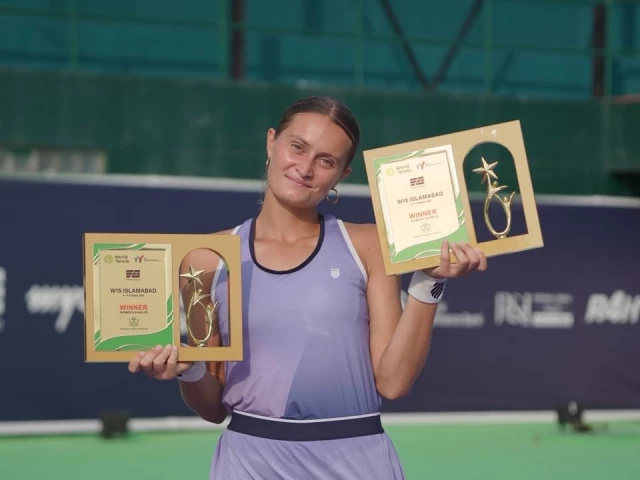
France’s Cirotte claims Islamabad W15 title
20 hours ago