Masters of time and space, Spain’s dominance comes from deep-rooted principles

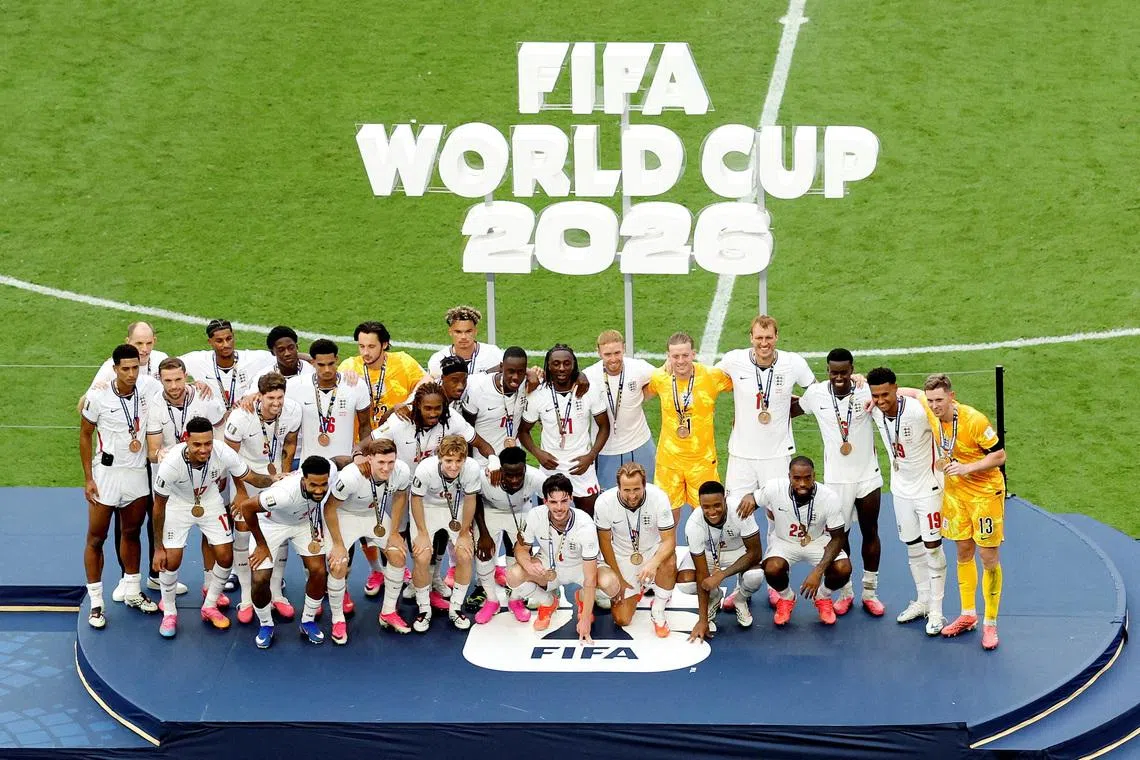
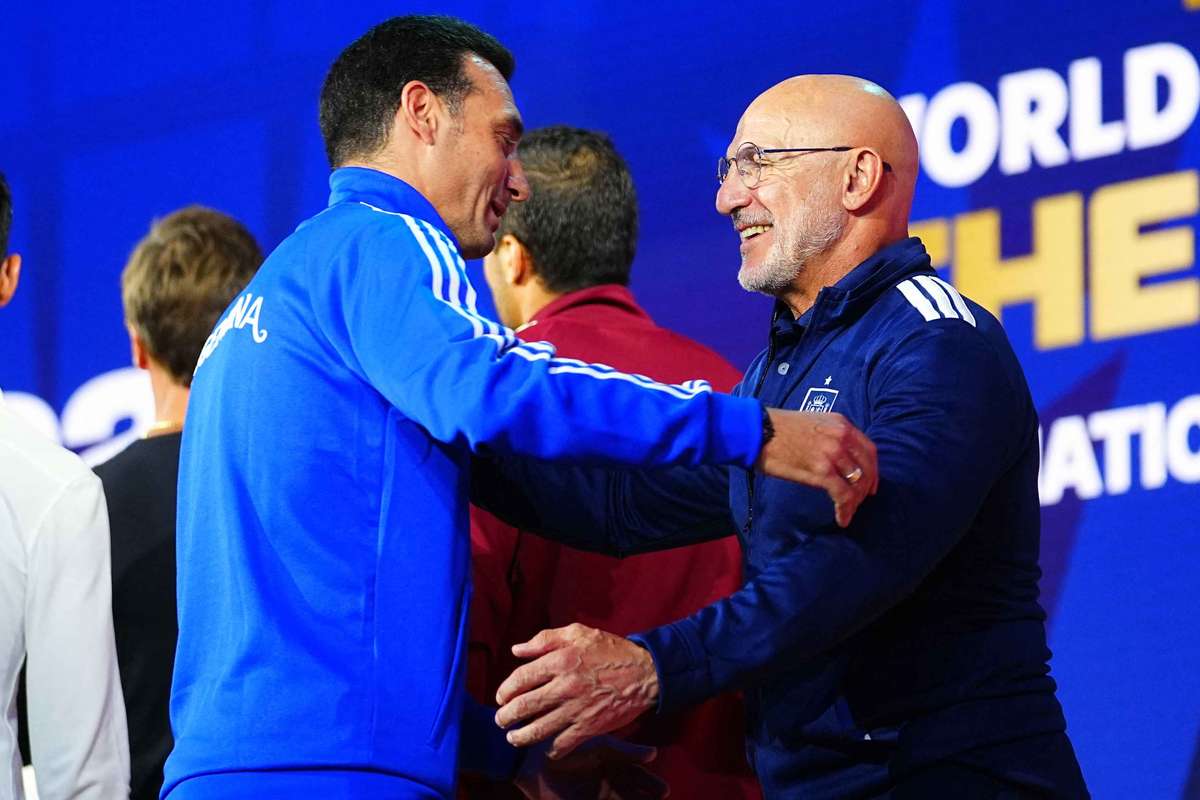
We talk about individuals too much in English football. Football is about the collective. Spain’s semi-final dominance over France was not built on individual brilliance but on a shared understanding of space, timing and their core principles. That is why they are the most exceptional team in the world and why I think they will win the World Cup on Sunday.It is not about Rodri, Lamine Yamal or Pedri. It’s about the whole midfield, the collective. Spain will find positional and numerical superiority in whichever way they can, because doing so has been deeply ingrained from very early ages and they are the masters of time and space on a football pitch. Against France they were rewarded for that culture by generating so many moments of four-versus-two numerical superiority in key spaces.In the buildup to the final you may well read articles lauding Rodri as the best in the world at what he does – and yes, he’s technically, tactically and psychologically superior. But trust me, his world-class abilities are not the reason for Spain’s dominance. Think back to the Euro 2024 final. At half-time, Rodri had to go off. Martín Zubimendi came on instead and the Spain midfield were able to maintain control, because their very clear methodology has been built over time, not by one individual, nor by changing from manager to manager to manager. They do it at aged eight to 23 until they become the kings.How? Well, in Spain each and every player – male and female – is brought through a system with a set of beliefs underpinned with a clear methodology, and the development of all the playing principles within that framework positions them to do things at the highest level. It starts with the very basic premise of a 4-3-3 structure in possession; that’s their starting point in all age groups and they do not deviate from that. Yet they are also flexible in their positioning. Look at 2024, when they played with a No 9, Álvaro Morata, and this summer they are playing with a false 9, Mikel Oyarzabal, who excels between the lines. They’ve made both scenarios work.In this World Cup, with Rodri, Fabián Ruiz, Dani Olmo and Oyarzabal combining together, it’s less about fixed positions and more about Spain’s intrinsic ability to arrive in space at the right time. They rotate, they exchange positions and they move into areas to create advantages all the time. They also read each other to help create situations where they have one more player in a specific area of the pitch, no matter where it is on the pitch. And if they can’t create that extra number, they ask themselves: “How can we create a positional advantage with rotation?”It is a culture that goes back to Johan Cruyff’s early Barcelona days and the Spanish national teams do it better than any nation in the world in both men’s and women’s football. It is why they have won a record nine Under-17 Euros titles, reached the past three Under-19 European finals, and won a joint-record five Under-21 Euros. It is a similar story in the women’s game where they have a record eight Under-19 women’s Euros trophies, seven of them since 2017, including five in a row. In Spain it is mandatory by law for athletes to accept a national call-up, at all age groups. In a lot of countries that is simply not the case. But youth national team exposure is essential to developing players’ understanding of their roles within those principal positions under pressure in major tournaments.Argentina are also a true collective, but in a very different way. I liked what the sports psychologist Daniel Abrahams wrote on his social media accounts this week. Of Argentina, he said they “sing their national anthem with gusto” and are “as aggressive in the press and in duels as you’re going to see. Slightly bending the rules. Being nasty [and getting] in their opponents’ faces, competing with so much passion and adoration for each other and with so much want and will and determination that there’s no room for anxieties”.We must not underestimate how difficult it is to accomplish that collective mindset. The intensity of that commitment, the sign-up to the brotherhood, the adrenaline that is required and their connections between each other and their fans is like nothing else in sport. Their manager talks about how they respond to adversity. It’s a nation that does well in adversity. They are the warriors of international football. For that reason, they’re never out of any game, even if they don’t dominate the ball, and they will fight to the last moment of this final.Spain masterfully shift the ball to one side of the pitch in order to shift midfielders across the pitch to then bring it back and exploit the very zones they wanted to access initially. You think going man‑for‑man against Spain might work? No, they’re press resistant, they know how to break pressure. And they have evolved. They are unafraid to go long and be direct, to put balls into spaces. They have mixed their game up. They are the best team in the world. Before a ball was kicked in this tournament, I wrote in the Guardian that they were my favourites for this title and I’ll stand by that.For England, watching Sunday’s final will be painful. Why can’t we cross the line? Is it to do with our social, cultural makeup? I believe it is to do with the mental part of the game. At the highest level you have to train your muscles in your brain as much as you train the rest of your body, to be able ensure emotion doesn’t plague your performance under pressure. We have to ask ourselves, why are Argentina so successful at delivering when it really matters and we’re not?This is not about tactics, it is not about substitutions. We are being shortsighted and emotional when we discuss those things straight after a semi-final defeat. Long term, we have to ask what is it in our psyche that we haven’t addressed as a nation to overcome this? And how do we all contribute to that; players, coaches, fans, media, clubs … all of us?Argentina never lacked belief against England. They stuck together like an unbreakable bond, without seeking to blame or find fault. Our natural behaviour is to find fault, dig out an individual or heap praise on one individual. We have to buy into the idea that when we win, it’s the collective and when we lose, it’s the collective.That is why Argentina and Spain are in the final. They are, after all, two nations that have unbelievable clarity about their identity and the two most collective teams in the tournament.


Most Popular
Scaloni enters exclusive World Cup managers club
3 hours ago