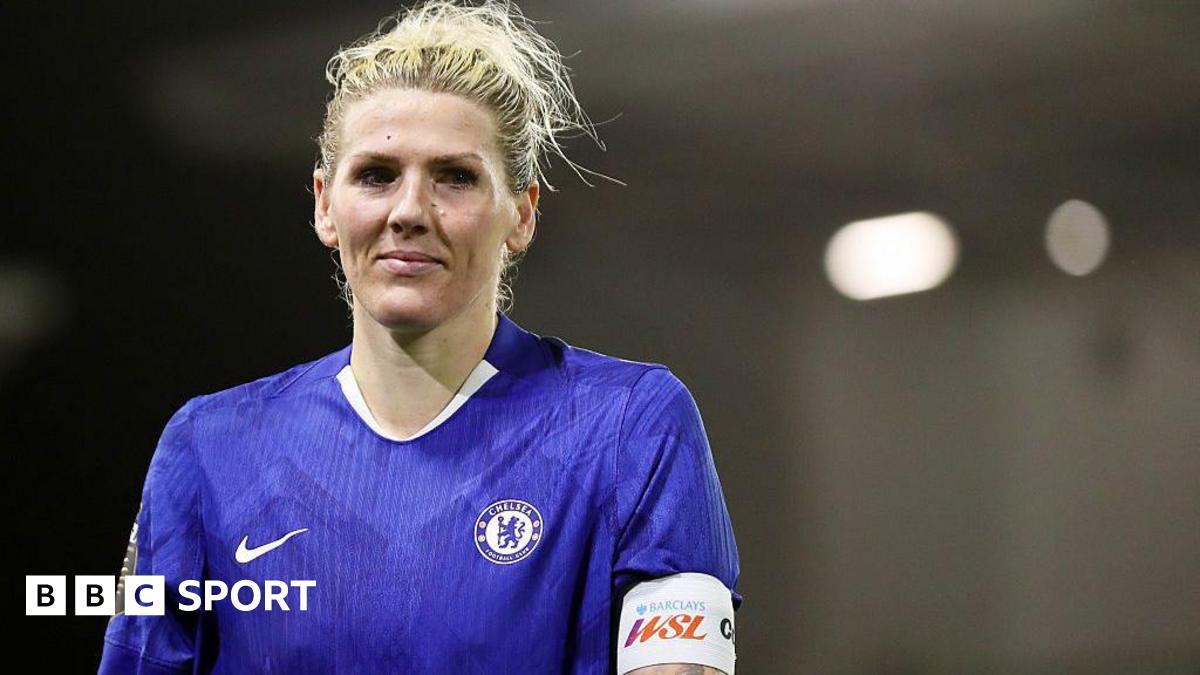
Chelsea’s owners have turned a trophy-winning machine into a failed experiment

Supporters’ protests and their chants against the Chelsea board have been growing for six months. Given the track record of those in charge, they will not end soon. Recent events have amplified how poorly the policies under BlueCo have gone.Those in charge at Stamford Bridge wanted to go about their business in a different way from Roman Abramovich. They have certainly managed that, spending over £1.5bn to make Chelsea less successful, less feared, less respected and less profitable. A trophy-winning machine has been transformed into an expensive, failed football experiment.Chelsea’s fans who initially queried the scepticism of the current owners’ approach can now see the dismantling of everything they cherished since 2004. The Abramovich era carries its stains given the recent £10m fine and suspended transfer ban for undisclosed payments to agents and third parties. The new owners at least deserve credit for self-reporting that – remarkably escaping heavier punishment as a result.Everything else the team stood for on the pitch, even during those times when title challenges became less frequent, has been ripped apart. The warning signs have been evident since Todd Boehly and Behdad Eghbali took control.The Stamford Bridge gimmicks began early with seven-year contracts for players; a ploy to play the system and avoid falling foul of profit and sustainability rules.Such lengthy deals might keep the accountants happy, but they are fraught with such danger it amazes me any player commits for so long. Yes, the club can protect the value of an asset and spread the cost by tying him down, but what if the player loses form or fitness and the club wants to sell him and he will not leave? Or if the player decides he wants out after three years into a seven-year deal but the club won’t sell, causing the kind of acrimony witnessed when Enzo Fernández flirted with Real Madrid, and which is likely if or when Cole Palmer does not feel his ambitions are being realised?Chelsea just gave Moisés Caicedo a large contract extension as if to demonstrate how happy their players are. The noises around others like Fernández and Marc Cucurella would suggest otherwise. When a club malfunctions, the biggest stars want out.The contract policy was followed by the selling of the Chelsea women’s team and hotels to expose further flaws in financial regulations – a loophole others have since exploited. Clubs are usually applauded for groundbreaking football tactics; Chelsea have been pioneers in economic gamesmanship.These decisions enabled the club to pay for so many deals. They have signed an extraordinary 55 players since 2022. This is an absurd number which hinders a coach’s chances of building a balanced squad with the necessary spirit. That is why managers must significantly influence recruitment plans.The dynamic between a coach and his players is fundamental to a team’s success. If that were not the case, we would never laud the legendary coaches as we do.The greatest have an aura and personality, enabling them to run the dressing room, setting the standards and culture. If a player is deemed to have crossed the line, as it was determined Fernández did with his media interview, you do not order the manager to drop him and tell him to defend the position to the media. That diminishes and undermines the most important figurehead’s authority.Chelsea’s roll call of managers – many of them fitting different profiles – underlines what a mess they have become.Since assuming control at Stamford Bridge in 2022, BlueCo has tried everything: first offloading a proven, Champions League winner in Thomas Tuchel, then losing patience with the Premier League experience of Graham Potter and established Mauricio Pochettino, before turning to those they believed more likely to accept their position within the hierarchy: Enzo Maresca and Rosenior. Upon their arrival, much was made about them being younger, up-and-coming coaches matching the profile sporting directors Paul Winstanley and Laurence Stewart were looking for.So where do they go next? Established, successful coaches rightly expect more influence and say on recruitment. Less-experienced ones on the rise will relish the chance to manage a big club, but do they command the necessary respect from the big players and characters? It is rinse and repeat, with the aftermath of every departure citing sources talking about those who will fit “the model” or “philosophy” of those running the club.Rosenior was fighting fires as soon as his name was referenced because he already worked for the organisation and the assumption was he would know and accept his place in the chain of command.As soon as Rosenior was given the job, there was an expectation it would end in brutal circumstances. It was a matter of when, not if. His demise should give no one pleasure. Chelsea fans will be relieved it is over, but deep down they know the problem is how and why he was ever considered right for the job at this point in his career.Rosenior could not reject such an opportunity, but he was bound to be eaten alive.True, he did not help himself with his press conference demeanour, where he appeared to be trying too hard to project authority. However, this does not change the fact that some criticism directed at him was excessive; too many seemed to actively wish for Rosenior to fail. He should be humbled by the experience and learn from it.Given the quality of some of the squad and the rewards on offer, there will always be candidates willing to manage Chelsea. The show will go on, even though it has become a circus.Based on recent evidence, however, the highest-calibre candidates will be inclined to conduct significant due diligence on the Chelsea directors before becoming the next one in the firing line.


Most Popular



Big Swan fires playful shot at ex
5 hours ago