FIFA explains why Croatia’s dramatic late equalizer against Portugal was disallowed
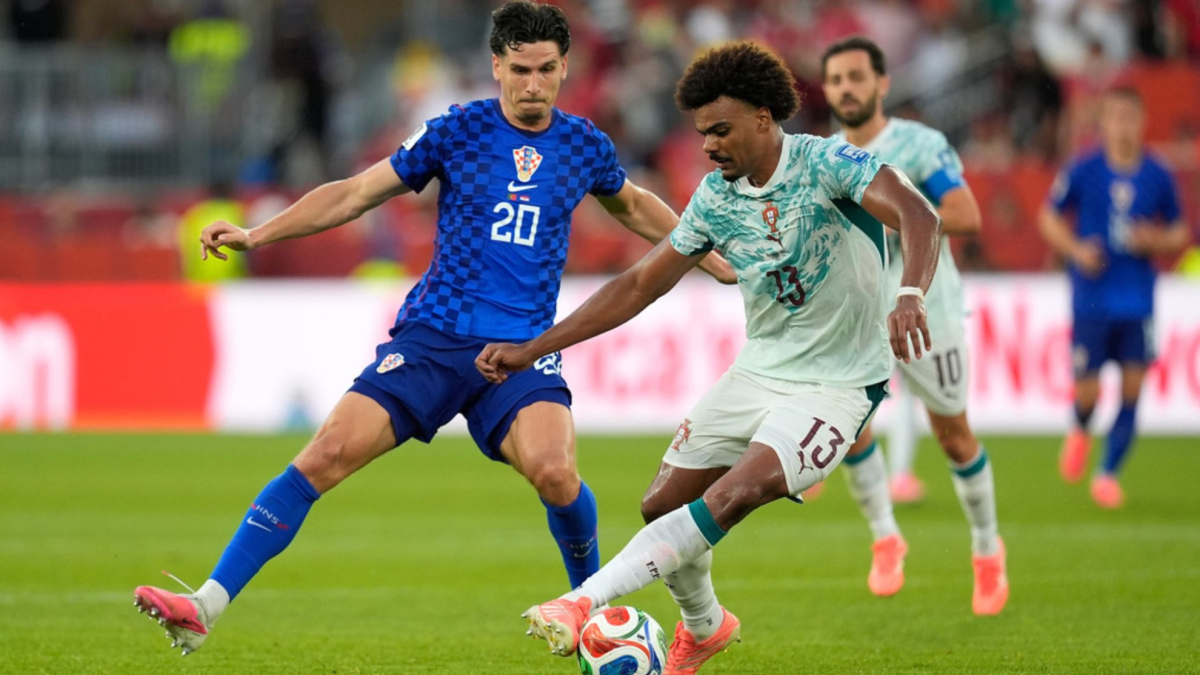
The 2026 World Cup is already marking a turning point in football history. Technology, new rules and real time analysis systems are no longer just supporting the game. They are now directly shaping how matches are decided.That reality was fully exposed during the knockout clash between Portugal and Croatia at BMO Field in Toronto, a match loaded with history, tension and names that on their own elevated the weight of the occasion.Cristiano Ronaldo and Luka Modrić once again shared a World Cup stage that many now see as one of the final major chapters between two football legends. The atmosphere was charged even before kickoff, with the feeling that for one of them this could mark a definitive end to their World Cup journey.A knockout match defined by tension from the first minuteThe Round of 16 clash unfolded with the intensity expected from two experienced high level teams.Portugal and Croatia traded control throughout the match in a tight contest, where momentum shifted constantly and every small detail felt decisive.As the minutes passed, the drama only increased, especially as the scoreline remained open deep into the final stages, setting the stage for a dramatic finish.The goal that sparked celebration before disappearingIn stoppage time, Croatia found what looked like the equalizer. The stadium reacted instantly. Players celebrated. The bench erupted. For a few seconds, the match seemed destined for extra time.But modern football is no longer defined only by emotion in the moment.VAR, technology and the Trionda ball at the center of the decisionThe play was reviewed by VAR, but not only through traditional cameras.The 2026 World Cup uses the official Adidas Trionda ball, equipped with internal sensors capable of tracking micro contacts, impacts and trajectory changes in real time.According to FIFA’s explanation, the system detected a minimal intervention in the ball’s trajectory during the buildup to the goal. It was not visible to the naked eye, but it was captured by the internal sensors.That data, combined with VAR analysis, led to the disallowing of Croatia’s goal.The result stood. Portugal advanced with a 2 to 1 victory.The debate eruptedAfter the final whistle, attention did not remain solely on the result.Social media quickly filled with reactions, disagreement and theories about the decision. Many fans had already celebrated Croatia’s goal in real time, which intensified the frustration once it was ruled out.Ronaldo and Modrić, silent figures in the broader narrative of the match, were once again placed at the center of the global conversation, not because of their direct involvement in the incident, but because of the emotional weight surrounding two legends meeting on a knockout stage.The aftermath was deeply divided. For some, it was a fair decision backed by technology. For others, it felt like a blow to football’s essence and even a perceived gift to the opposing side.

Most Popular