Before IPL, there was ICL: How Indian Cricket League pioneered the format but was stopped
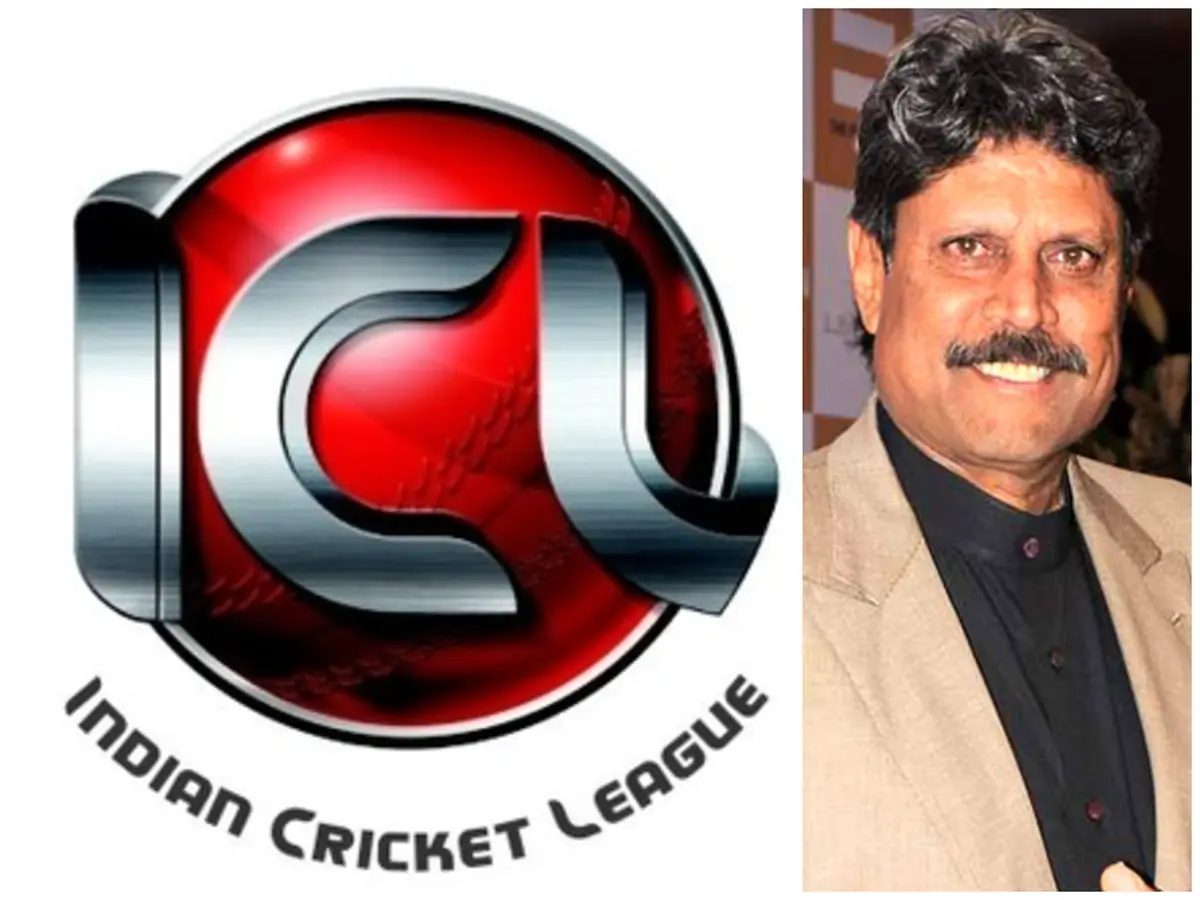
The Indian Premier League (IPL) helped commercialise cricket to levels not seen before, making the Board of Control for Cricket in India (BCCI) one of the richest sporting bodies in the world. But did you know that the commerical 20–20 cricket tournaments and the league structure were pioneered by the Indian Cricket League, before it was cut short by a series of actions, legal battles, and politics in sport? Here is the story of the ICL.The Indian Cricket League (ICL), which ran from 2007 to 2009, was the only significant attempt at a private, franchise-style T20 league, which also had a 50-over format. This was a leap forward from traditional first-class and state-based tournaments like the Ranji Trophy. At its start, the ICL had it all: national and international stars, large scale and multi-city spread, but without the player auctions that are the hallmarks of the IPL.The ICL had city-based Indian teams and ‘ICL World’ sides that included Pakistani and Bangladeshi teams like Lahore Badshahs and Dhaka Warriors. It was, in essence, a mixture of domestic and international players. The ICL launched its first T20 season in November 2007, played mostly in Panchkula near Chandigarh, and later expanded to other venues. The 2007–08 T20 Indian Championship was won by Chennai Superstars. There was also a 50-over tournament and a Grand Championship in the same season. In 2008–09, there was more T20 action, won by Lahore Badshahs, in addition to World Series events.A series of developments led the ICL to cease operations by late 2009, after just two seasons. No further tournaments were held. But who or what prevented the ICL from continuing? The BCCI was the primary force that ended it, as it reportedly saw the ICL as an unsanctioned “rebel” league threatening the body’s monopoly over Indian cricket. The BCCI refused to recognise the ICL and banned participating players from all BCCI-run domestic and international cricket. It pressured other national boards to do the same via the International Cricket Council (ICC). The BCCI also removed Kapil Dev from his role in the National Cricket Academy due to his ICL ties.As players realised their careers were at risk, most top names stayed away. Reports say that stadium access was restricted in many cases for the ICL, though some state governments helped with venues. The Delhi High Court gave the ICL some legal protection against interference with player contracts, but it did not stop the impact of the BCCI bans on players.It would not be wrong to say that the launch of the Indian Premier League in 2008 was a direct response to the challenge posed by the birth of ICL. Officially sanctioned and backed by massive funding and sponsorships, the IPL started the era of the T20 auction and franchise model. Many of the teams were owned by celebrities and industry leaders. The IPL was seen as more legitimate, with star power, celebrity razzmatazz, and commercial success. The ICL was overshadowed by the IPL almost immediately after its launch, with several ICL players moving on to the IPL as soon as the BCCI offered an amnesty in 2009, with the condition that they quit the ICL.It is quite possible that more than one league could have existed in India. It was the ICL that proved the commercial viability of T20 franchise cricket in the country. However, the ICL did not have the heft of the BCCI’s institutional power, which allowed it to ban players. In cricket lore, the ICL is often remembered as the “rebel” that paved the way for the IPL’s birth and subsequent dominance. Today, the IPL is the world’s richest cricket league. It is quite possible that the ICL could have co-existed. But to paraphrase Mahatma Gandhi, there is enough for everybody’s need, but not enough for everybody’s greed.

Most Popular

Heidelberg in priority position for Asian berth: FA
11 hours ago