'I made it as clear as possible' - Referee opens up on managing Vinicius Junior and Gianluca Prestianni racism row during Real Madrid clash against Benfica
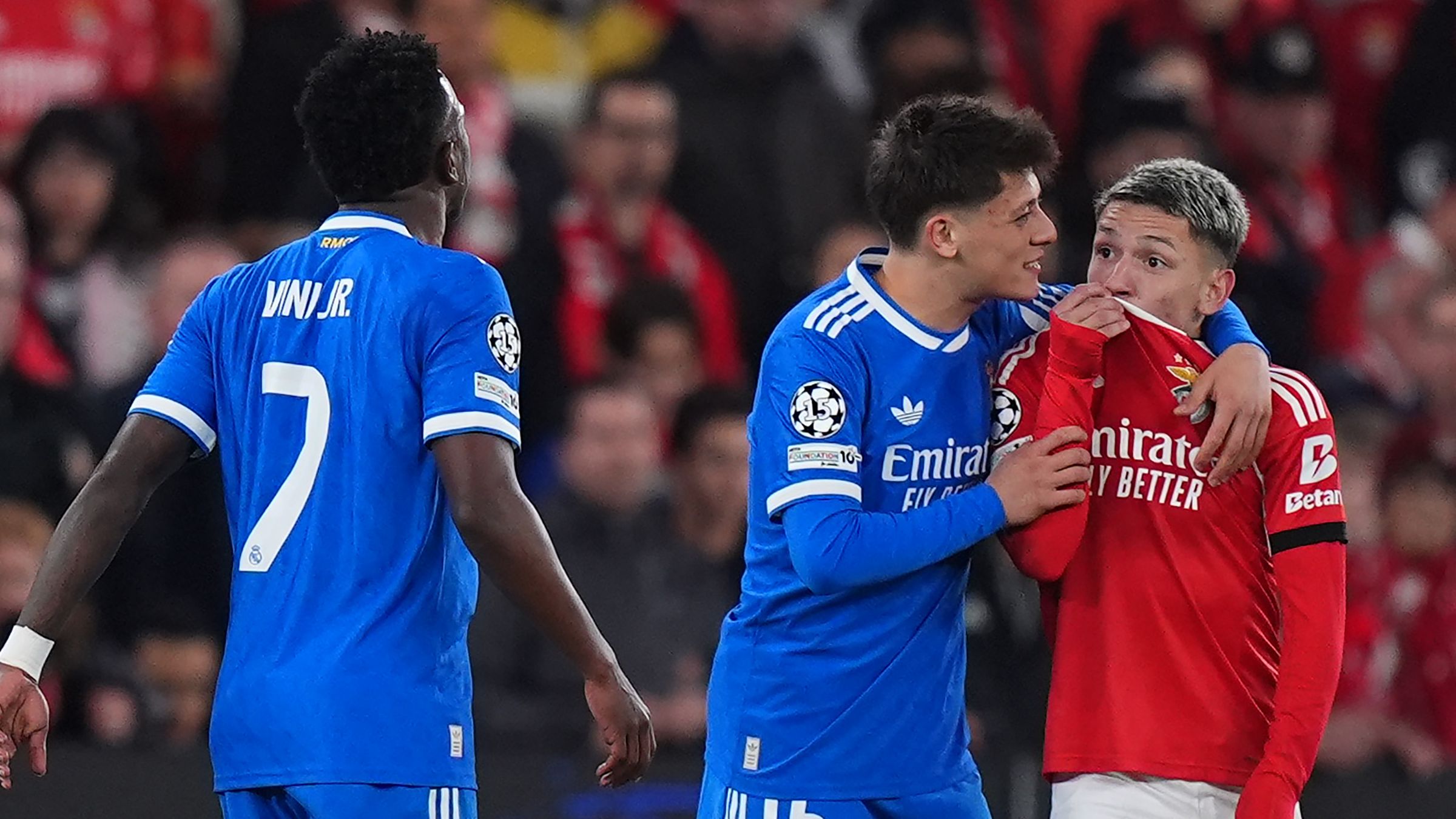
The incident occurred during the 51st minute of the first-leg clash at the Estadio da Luz. After Vinicius Junior scored the winner, an altercation broke out that led the Brazilian to inform Letexier of alleged racial abuse. Reflecting on the chaos, the 37-year-old referee explained the difficulty of making snap judgements in such a volatile environment."It’s a very unusual moment. It’s a moment where we don't have all the information," the referee told RMC. "We have to decide without having all the facts. In this kind of situations, the most important thing is to gather as much information as possible and, above all, to take precautions. That is my priority."Letexier noted that he could not simply take a player at his word to issue a red card without proof, but he felt it was vital to "formalise" the moment by triggering UEFA anti-discrimination protocol. This allowed the stadium announcer to address the crowd and the teams to understand the gravity of the situation."When a player comes to tell me that he has been the victim of racist insults that I didn't witness, I have to take what he tells me into account, but I can't make a decision solely on that basis, which seems legitimate to me," Letexier added. "You have to formalise the situation, make it clear to everyone, and explain to the various parties that the fact that I neither saw nor heard the incident prevents me from taking a disciplinary action. That's how I tried to handle the incident."While Prestianni avoided an immediate red card on the night, the disciplinary fallout was severe. UEFA eventually handed the Argentine a six-match ban, though the charge was officially recorded as "homophobic conduct" after the winger admitted to using a different slur while denying the racism allegations. The player later complained he was punished without evidence, claiming the situation caused his family immense distress.The situation escalated further when FIFA intervened to ensure the punishment carried weight on the international stage. The governing body confirmed that Prestianni's ban was extended worldwide, casting doubt over his availability for Argentina's opening matches in the 2026 World Cup. Letexier’s decision to halt the game and file a detailed report was instrumental in the subsequent sanctions.Despite the criticism from some quarters regarding the length of the mid-match delay, Letexier’s calm approach has been widely praised by UEFA officials. The Frenchman believes he achieved his primary goal of making the protocol transparent for the global audience watching the Champions League."I get the impression that UEFA officials were satisfied with how I handled the incident," Letexier concluded. "I also feel that the football world took the situation rather well. Ultimately, the referee is a third party in this type of context. I think I made it as clear as possible. Now, if I could avoid having to deal with this type of incident and if we could avoid this type of behavior, we would gladly do without it."

Most Popular




March to the 'G is Back in Round 9
15 hours ago