‘What’s the point in playing Test cricket?': Pakistan's identity crisis laid bare after crushing defeat to England
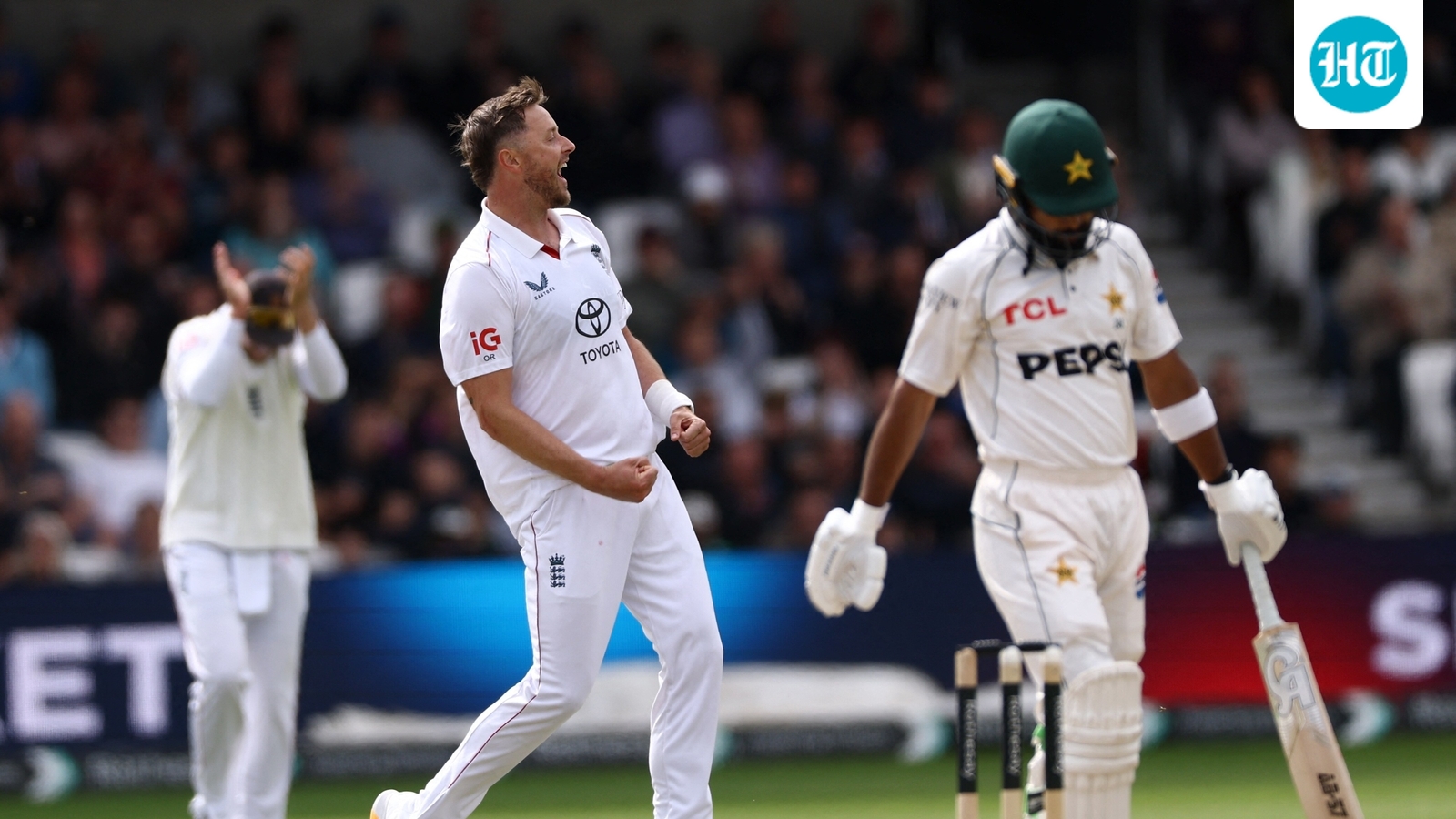
The gulf between the teams extended beyond the scoreline. Ollie Robinson and Josh Tongue took five wickets apiece in Pakistan's first innings before England's batting unit drove home the advantage. Harry Brook made 91, Jordan Cox scored 73, Joe Root contributed 66 and Dan Lawrence struck 51. Robinson, Tongue and Jofra Archer then claimed three wickets each as Pakistan folded for 135 before tea on Day 3.For Vaughan, however, it was the manner of Pakistan's surrender that was particularly concerning. “They've been absolutely blown away. They've been hammered. I've never seen them look so timid,” Vaughan told BBC Test Match Special. “The tactical side wasn't there. The skill level and the class between the sides, Pakistan look a long way short. I hope they can find something over the next couple of days. They'll get criticised, and rightly so; hopefully, that will force them to find something.”Pakistan's problems were visible with the bat, with the ball, and in the field. Their relatively inexperienced pace attack struggled to place England under sustained pressure even when conditions offered assistance, while a series of fielding mistakes allowed the hosts to strengthen an already commanding position. It was a particularly stark sight for a country whose cricketing identity has historically been built around aggression, unpredictability and generations of elite fast bowlers.Vaughan said watching that identity disappear had left him saddened. “I look at this side and feel quite sad watching them this week,” he said. I've seen many Pakistan sides play, and this side just seem to be lacking all that spirit and fight we've come accustomed to seeing.”Also Read: Mitchell Starc leaves Bangladesh shell-shocked with 22-ball five-fer, moves past Dale Steyn in all-time Test list“If you lose 17 Test matches in the last 20 you've played nobody's going to back this team.”Raja particularly questioned Pakistan's approach to Test cricket at home. In recent years, they have increasingly leaned towards preparing spin-friendly surfaces in an attempt to maximise their chances of winning, a strategy that delivered results against England in 2024 but, according to Raja, has come at a significant cost. “You try to produce a one-dimensional team that can only win on select surfaces,” Raja said. You've discouraged pace bowling and because so many players want to play T20 cricket because it's a route to success, they're just not bothered about playing Test-match cricket. These are desperate times for Pakistan cricket to make a comeback through pace.”For Raja, abandoning that tradition risks stripping Pakistan cricket of one of the characteristics that historically made them such a formidable Test side. “It's always been our thing, if you discourage the DNA that completes us, what's the point in then playing Test cricket?”The concern is particularly striking given Pakistan's history in England. They were the world's No.1 Test side only a decade ago, and their great teams of the late 1980s and 1990s, powered by the likes of Imran Khan, Wasim Akram and Waqar Younis, won three successive Test series in the country.Raja also warned that there is no obvious quick fix coming through the system. “The batting is below par, even at the Under-19 level and the Under-17 level,” he said. “The bowling, yes, they've got two or three quicks, but they aren't being exposed to this type of cricket. In the field, they are still brittle.”



Most Popular

Sony Sports to telecast India A games in New Zealand
21 hours ago