Skater Kelvin Kiarie Secures Government Reward After Historic Solo Triumphs
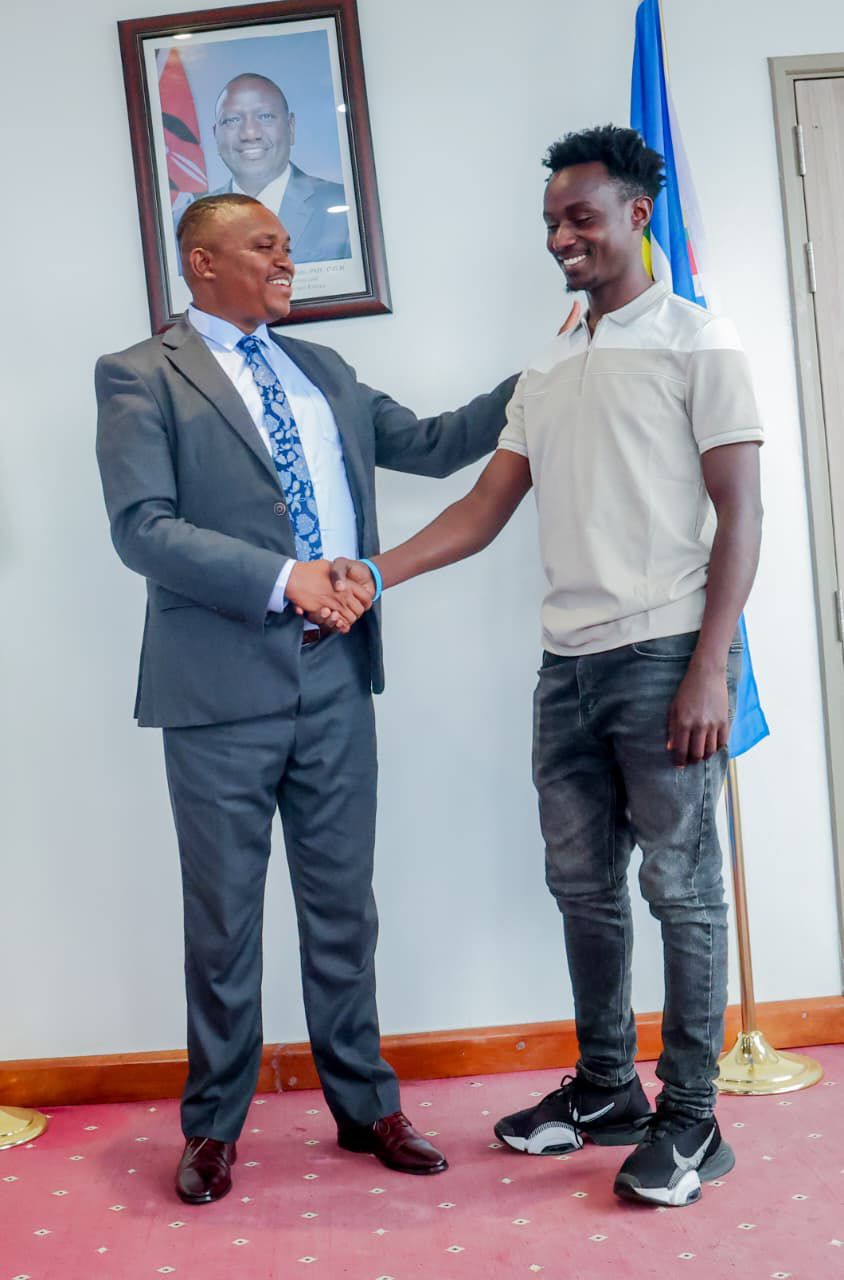
After capturing international glory in Benin and Egypt without a single shilling of state funding, Kenyan inline skater Kelvin Kiarie Ruhiu has finally secured a firm commitment for financial reward from the national government.The promise from Sports Principal Secretary Elijah Mwangi comes after weeks of intense public backlash over the systemic neglect of non-traditional sports. For athletes operating on the fringes of athletics and football, Kiarie's struggle highlights a persistent crisis in sports administration and funding mechanisms. His belated recognition could set a powerful precedent for how the Ministry of Sports supports marginalized disciplines, potentially unlocking vital resources and opportunities for thousands of talented youth across the East African nation.A Solitary Journey to Continental TriumphKelvin Kiarie's remarkable ascent to the pinnacle of African skating was achieved entirely on his own merit and through his own financial sacrifice. In April 2026, he traveled to Cotonou, Benin, to compete in the highly competitive International Challenge Skating Championships. Standing at the iconic Amazon Monument, Kiarie defied the odds to win a gold medal in the grueling freestyle battle category and a silver medal in the classic slalom.Following his success in West Africa, the skater refused to rest on his laurels. He immediately set his sights on the Africa Championships held in Egypt the following month. Displaying extraordinary technical precision and athletic endurance, Kiarie dominated the competition, securing two additional gold medals and firmly establishing Kenya as a rising continental powerhouse in the rapidly growing sport of inline skating.His victories are particularly staggering given the logistical nightmare of his preparation. According to sports analysts, athletes competing at the international level require comprehensive support systems, including specialized coaching, nutritional guidance, sports psychology, and access to elite training facilities. Kiarie achieved world-class results while relying solely on his own resources.The Bureaucratic Hurdle and Public OutrageThe stark contrast between Kiarie's historic achievements and the deafening silence from state authorities ignited a firestorm of criticism across Kenyan social media platforms. Citizens lambasted the government for abandoning one of its most promising talents while heavily funding mainstream sports that frequently underperform on the global stage. The outrage forced the Ministry of Sports to address the glaring discrepancy.During a high-level meeting in Nairobi, Sports Principal Secretary Elijah Mwangi formally commended Kiarie and assured him that the state would invoke its official policy on rewarding excelling sportspersons. The Principal Secretary explained that the initial lack of support was fundamentally tied to bureaucratic red tape and deep-seated administrative wrangles within the national skating federation.Mwangi outlined the structural issues plaguing the sport:Persistent leadership disputes within the parent federation that paralyze official communication with the government.A failure by the federation to properly submit funding requests and athlete itineraries prior to international tournaments.The stringent requirements of the Sports Act, which dictate how public funds can be disbursed to recognized sporting bodies.The necessity for individual athletes to directly enlist with the Sports Registrar when their respective federations are dysfunctional.The Economics of Self-Funded GloryBeyond his athletic prowess, Kiarie's background reveals the intense dedication required to survive in a marginalized sport. As a graduate of the Technical University of Kenya with a degree in Civil Engineering, Kiarie has balanced a demanding professional career with an exhausting training regimen. The financial burden of purchasing specialized gear, booking international flights, and securing accommodation has entirely fallen on his engineering salary.Sports economists in Nairobi argue that the current funding model is inherently flawed, effectively punishing athletes who choose to pursue disciplines outside of track and field. They propose the establishment of a dedicated emergency fund specifically designed to support elite competitors whose parent federations are embroiled in administrative chaos. Such a safety net would ensure that national talent is never grounded by boardroom politics.Broader Implications for Minority SportsThe resolution of Kiarie's ordeal carries significant implications for the future of sports in Kenya. If the government follows through on its promise to register him directly as a sportsperson, bypassing the troubled federation, it will create a vital loophole for other stranded athletes. This administrative pivot could democratize access to state funding, encouraging youth participation in emerging sports like skateboarding, surfing, and martial arts.Furthermore, Kiarie's success serves as a powerful marketing tool for inline skating, a sport that is gaining massive traction among urban youth in cities like Nairobi, Mombasa, and Kisumu. Proper investment in skate parks and local tournaments could transform this grassroots enthusiasm into a sustainable pipeline of international champions.For Kelvin Kiarie, the promised state reward is a belated validation of his solitary sacrifice, but for the countless unnamed athletes still struggling in the shadows, it serves as a stark reminder that in Kenyan sports, true champions often conquer the world alone before the government ever learns their names.

Most Popular



who are performers in Toronto
10 hours ago